

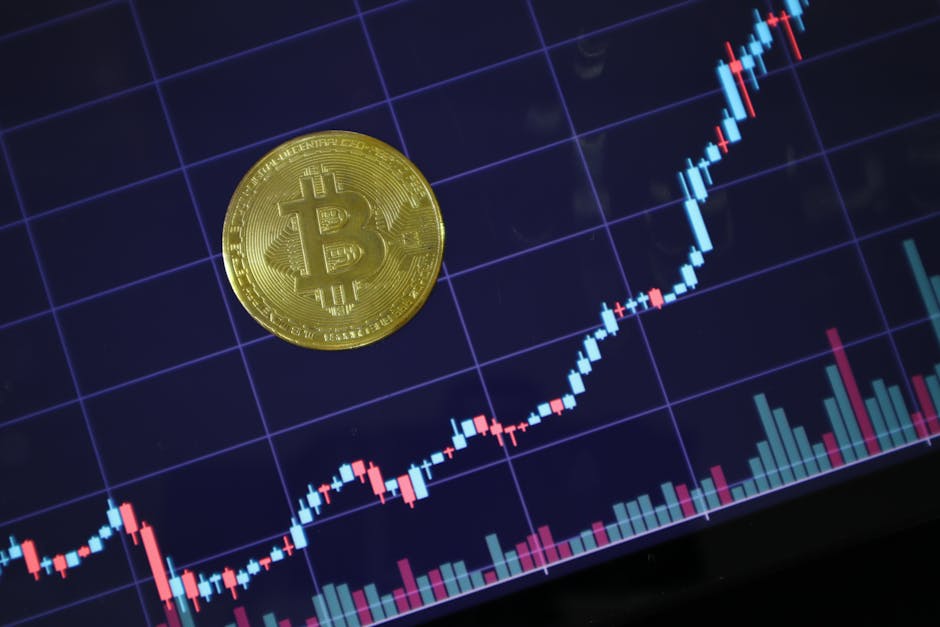
The cryptocurrency market experienced significant volatility over the past year, with sharp price swings, regulatory crackdowns, and shifting investor sentiment. While technological factors and market cycles played a role, political decisions and government actions were among the most influential forces behind the turbulence. From new regulations to geopolitical tensions, the intersection of politics and digital assets has never been more evident. For more insights on finance and global trends, visit https://janielancaster.com/.
The Growing Role of Governments in Crypto Markets
Cryptocurrencies were originally designed to operate outside traditional financial systems, but governments worldwide are increasingly asserting control over the space.
Regulatory bodies have begun to implement stricter rules around trading, taxation, and compliance. These actions have had immediate and often dramatic effects on market behavior, influencing both institutional and retail investors.
As policymakers attempt to balance innovation with financial stability, their decisions continue to shape the direction of the crypto market.
Regulatory Crackdowns and Their Impact
One of the biggest drivers of market turbulence has been the introduction of new regulations and enforcement measures.
Increased Oversight in Major Economies
Countries such as the United States, China, and members of the European Union have taken steps to regulate cryptocurrency exchanges and transactions more closely.
China’s continued restrictions on crypto mining and trading had ripple effects across global markets, reducing supply and forcing operations to relocate. Meanwhile, U.S. regulators intensified scrutiny on exchanges and stablecoins, raising concerns among investors.
Uncertainty Creates Volatility
Regulatory uncertainty often leads to market instability. When investors are unsure how new policies will affect their assets, they tend to react quickly—buying or selling in response to news rather than fundamentals.
This reactive behavior amplifies price swings and contributes to overall volatility.
Geopolitical Tensions and Economic Policy
Global political events also played a significant role in shaping cryptocurrency market trends.
Crypto as a Hedge in Uncertain Times
During periods of geopolitical tension, some investors turned to cryptocurrencies as an alternative store of value. However, this perception is still evolving, and crypto assets often behave unpredictably compared to traditional safe-haven assets like gold.
Sanctions and Financial Restrictions
In certain cases, cryptocurrencies were used to bypass financial restrictions or sanctions. This drew increased attention from governments, prompting calls for tighter regulation and monitoring.
As a result, political responses to these developments further influenced market dynamics.
Central Bank Digital Currencies (CBDCs)
The rise of central bank digital currencies has added another layer of complexity to the crypto landscape.
Competition with Decentralized Assets
Governments are exploring CBDCs as a way to modernize financial systems while maintaining control. This has sparked debates about the future role of decentralized cryptocurrencies.
Some investors view CBDCs as competition, potentially reducing demand for traditional cryptocurrencies.

Policy Implications
The development of CBDCs reflects broader concerns about financial sovereignty, security, and control. These initiatives signal that governments are not only regulating crypto but also actively shaping its future.
Institutional Influence and Political Signals
Institutional investors have become major players in the crypto market, and their actions are often influenced by political developments.
Policy-Driven Investment Decisions
Large financial institutions closely monitor regulatory environments before committing to crypto investments. Positive signals from governments can encourage adoption, while restrictive policies can lead to withdrawals.
Market Reactions to Political Statements
Even statements from policymakers can trigger significant market movements. Announcements regarding taxation, legal status, or enforcement actions often lead to immediate price changes.
The Role of Taxation Policies
Taxation has become a key issue in the relationship between governments and cryptocurrency markets.
Increased Reporting Requirements
Many countries have introduced stricter reporting requirements for crypto transactions. These measures aim to improve transparency and prevent tax evasion but can also deter participation.
Impact on Investor Behavior
Higher taxes or complex compliance requirements may discourage trading activity, reducing liquidity and contributing to market fluctuations.
Media Narratives and Political Messaging
Public perception of cryptocurrencies is heavily influenced by political narratives and media coverage.
Shaping Investor Sentiment
Government statements about risks, fraud, or environmental concerns can affect how investors perceive the market. Negative messaging often leads to sell-offs, while supportive policies can boost confidence.
The Power of Public Discourse
The way cryptocurrencies are discussed in political and regulatory contexts can shape long-term adoption trends, influencing everything from institutional investment to public trust.
Long-Term Implications for the Crypto Market
The political forces that drove last year’s turbulence are likely to have lasting effects on the cryptocurrency ecosystem.
Toward Greater Regulation
The trend toward increased regulation is expected to continue. While this may reduce some volatility over time, it could also limit the decentralized nature that originally defined cryptocurrencies.
Balancing Innovation and Control
The challenge for policymakers will be finding a balance between encouraging innovation and ensuring financial stability. This balance will play a critical role in determining the future of digital assets.
Conclusion
The turbulence in the cryptocurrency market last year cannot be fully understood without considering the political landscape. Government actions, regulatory changes, and geopolitical events all played a significant role in shaping market behavior.
As cryptocurrencies continue to evolve, the relationship between politics and digital finance will remain a key factor influencing stability, growth, and global adoption.
Related reading: Jen Kendall Launches American Airlines’ First Flight with High-Profile Debut Event | Photographer snaps gorgeous photos in nature