

Nancy Reagan left a lasting mark on American history not only as First Lady but also as a symbol of sophistication, elegance, and refined taste. During her time in the White House, she transformed the role into one that blended political influence with cultural presence, bringing a renewed sense of glamour and class to the presidential residence. Her legacy continues to shape how First Ladies approach style, public image, and social diplomacy. For more historical and cultural insights, visit https://janielancaster.com/.
A First Lady Focused on Image and Presentation
When Ronald Reagan assumed the presidency in 1981, Nancy Reagan quickly made it clear that presentation mattered. She believed the White House should reflect the prestige of the United States on the global stage.
From the way events were organized to how rooms were decorated, she paid close attention to detail. Her approach was rooted in the idea that elegance and beauty could enhance national pride and international perception.
Restoring the White House with Style
One of Nancy Reagan’s most notable contributions was her commitment to restoring and preserving the White House.
A Commitment to Historical Accuracy
She launched a major refurbishment effort aimed at bringing authenticity and historical value back to the residence. Working closely with designers and historians, she ensured that furnishings and décor reflected the building’s heritage.
Her efforts were not just about aesthetics—they were about honoring history and reinforcing the White House as a cultural landmark.
Balancing Tradition and Modern Elegance
While respecting tradition, Nancy Reagan also introduced elements of modern sophistication. The result was a blend of classic American style with contemporary refinement, creating spaces that felt both timeless and relevant.
Red Carpet-Level Social Events
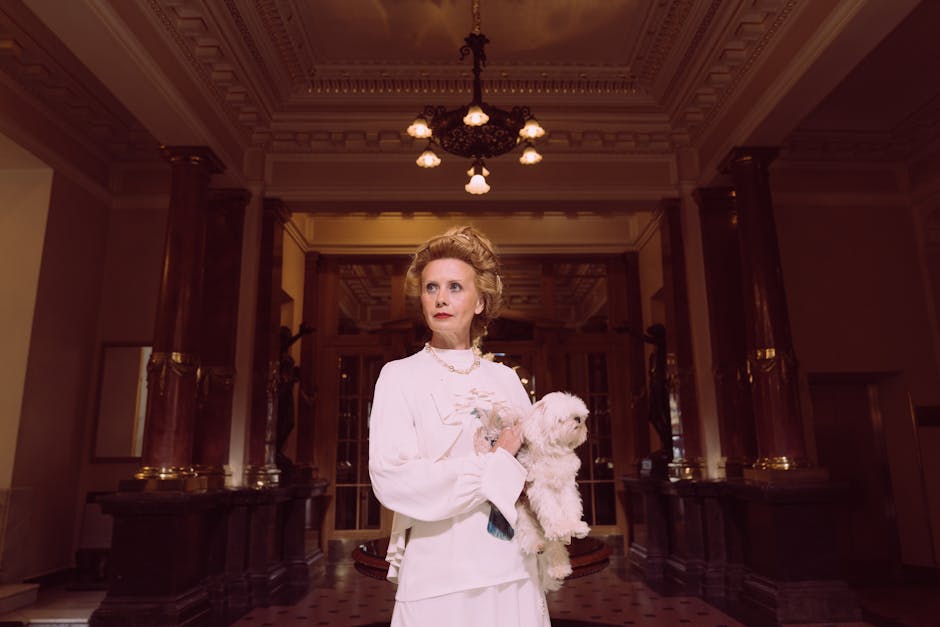
Nancy Reagan became known for hosting high-profile state dinners and social gatherings that rivaled the glamour of Hollywood events.
Elevating State Dinners
Under her leadership, state dinners became carefully curated experiences. Guest lists included world leaders, celebrities, and influential figures, creating an atmosphere of prestige and exclusivity.
Every detail—from table settings to entertainment—was meticulously planned, reflecting her commitment to excellence.
Bridging Politics and Culture
By inviting figures from the arts and entertainment industries, she blurred the lines between politics and culture. This approach helped make the White House feel more accessible and culturally vibrant.
Fashion as a Form of Influence
Nancy Reagan understood the power of fashion in shaping public perception.
Signature Style
She became known for her elegant wardrobe, often featuring bold colors, particularly her signature shade known as “Reagan Red.” Her fashion choices consistently projected confidence and sophistication.
Designers such as James Galanos played a key role in defining her look, which combined classic silhouettes with modern flair.
Setting a Standard for Future First Ladies
Her emphasis on style set a new standard for First Ladies, demonstrating how fashion could be used as a tool for communication and influence.
Public Perception and Criticism
While many admired her elegance, Nancy Reagan’s focus on glamour was not without controversy.
Criticism Over Spending
Some critics argued that her attention to luxury and refurbishment came at a time when economic challenges affected many Americans. Questions were raised about priorities and public image.
Defending Her Vision
Supporters, however, believed her efforts elevated the dignity of the presidency and showcased American culture on the world stage. They argued that her approach strengthened the symbolic importance of the White House.
The “Just Say No” Campaign
Beyond style and social events, Nancy Reagan also played a significant role in public policy through her “Just Say No” anti-drug campaign.
Expanding the Role of First Lady
This initiative demonstrated that she was more than a figure of elegance—she was also an advocate for social issues. The campaign reached millions and became one of the most recognized public health efforts of its time.
Combining Influence and Advocacy
Her ability to balance advocacy with her public image added depth to her role, showing that glamour and substance could coexist.
A Lasting Cultural Legacy
Nancy Reagan’s influence extends far beyond her time in the White House.
Redefining Expectations
She reshaped expectations for First Ladies, showing that they could play a significant role in both cultural and political spheres.
Inspiring Future Generations
Her legacy continues to inspire those who see leadership as a blend of presentation, influence, and purpose.
Conclusion
Nancy Reagan transformed the image of the White House by infusing it with elegance, sophistication, and cultural relevance. Through her attention to detail, commitment to style, and dedication to public service, she redefined what it meant to be First Lady.
Her impact remains a powerful reminder that image and substance can work together to shape history, leaving a legacy that continues to influence American public life today.
Related reading: Jen Kendall Launches American Airlines’ First Flight with High-Profile Debut Event | Now Is the Time to Think About Your Small-Business Success