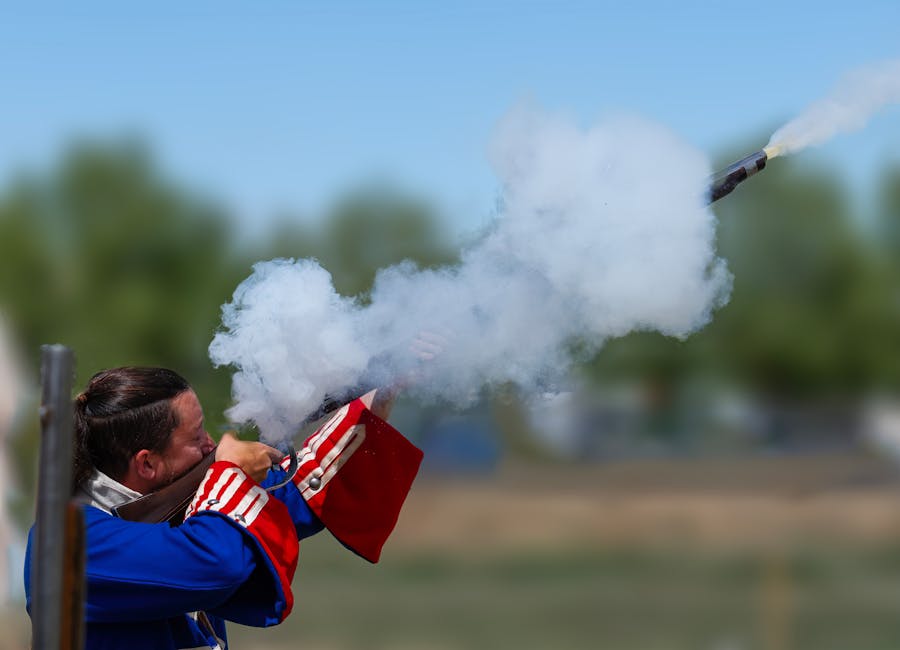

Frederic Remington’s iconic painting The Smoke Signal captures a powerful moment of communication across vast landscapes, illustrating how long-distance messaging once relied on simple yet effective methods, as historical art and cultural insights continue to be explored on https://janielancaster.com/.
Understanding the Artwork
Painted in the early 20th century, The Smoke Signal reflects Remington’s fascination with the American West and Native American life.
A Scene of Purpose and Precision
The artwork depicts a lone figure on horseback atop a hill, sending smoke signals into the sky. The rising plumes are not random—they are carefully controlled bursts used to convey specific messages across great distances.
The vast, open landscape emphasizes both isolation and connectivity, showing how communication was possible even in remote environments.
The History of Smoke Signals
Smoke signals have been used by various cultures around the world as a form of long-distance communication.
How Smoke Signals Work
The method involves:
- Creating a fire that produces visible smoke
- Using a blanket or covering to release smoke in controlled puffs
- Forming patterns that represent messages
Different numbers and sequences of smoke puffs could signal warnings, locations, or calls for help.
Native American Communication Systems
In North America, many Indigenous tribes used smoke signals as part of a broader communication network.
A System Built on Simplicity
Smoke signals were effective because they:
- Could be seen from long distances
- Required minimal tools
- Worked well in open terrains like plains and deserts
However, they were often combined with other methods such as runners, drums, or visual markers for more complex communication.
The Role of Geography in Communication
Remington’s painting highlights how geography influenced communication methods.
Open Landscapes as Communication Channels
In wide, unobstructed areas:
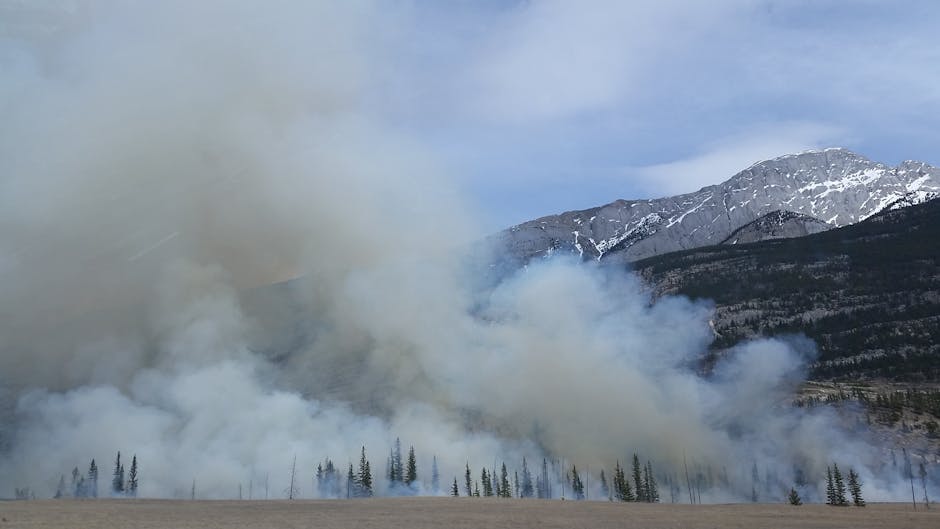
- Smoke could travel and remain visible for miles
- Elevated positions improved visibility
- Messages could be relayed from one point to another
This made smoke signals particularly useful in regions like the American West.
Symbolism in “The Smoke Signal”
Beyond its literal meaning, the painting carries deeper symbolic significance.
Connection Across Distance
The rising smoke represents:
- Human ingenuity in overcoming isolation
- The desire to connect and share information
- The importance of communication for survival
It reflects a time when even the simplest tools played a crucial role in maintaining connections.
From Smoke Signals to Modern Communication
The contrast between ancient methods and today’s technology is striking.
Evolution of Long-Distance Communication
Over time, communication has advanced from:
- Smoke signals and visual cues
- Telegraph systems
- Telephone networks
- Digital and wireless communication
Despite these advancements, the fundamental goal remains the same: to share information across distance.
Why This Artwork Still Matters Today
Remington’s The Smoke Signal continues to resonate because it captures a universal human need.
Timeless Relevance
The painting reminds us that:
- Communication has always been essential
- Innovation often begins with simple ideas
- Cultural practices shape technological development
It also offers a visual narrative that connects past and present.
Conclusion
The Smoke Signal by Frederic Remington is more than just a depiction of life in the American West—it is a powerful representation of early long-distance communication. Through its imagery, the painting highlights the creativity and resourcefulness of people who relied on nature and observation to stay connected.
In a world now dominated by instant communication, this artwork serves as a reminder of how far technology has come—and how the need to communicate has always been at the heart of human experience.
Related reading: Manchester United Captain Shows Renewed Confidence After Netting First Goal of the Season | Why Mobile Marketing Is Rapidly Becoming the Future of E-Commerce